
San Juan County's Most Wanted Program
The San Juan County Sheriff posts no curated most-wanted roster, no countywide roundup, and no amnesty landing page. That can change. Agencies start programs when resources allow. Until one appears, the Sheriff's official contact route is the place to ask whether an official program exists today. The U.S. Marshals Service District of New Mexico runs the federal side. It publishes a fugitive enforcement structure with tip channels for the region. Link to it, read it there, and leave the names where they live.
No Local Official Roster Located
Farmington's monthly reports publish aggregate warrant counts and service activity. Sheriff releases describe operations as they happen. Neither is a most-wanted list. San Juan County has no local page that pairs a current roster with an update date, a removal process, status definitions, and tip instructions. A blank spot deserves honesty. A commercial search vendor, a mugshot page, or a name pulled from an old press release would not make the gap smaller, only dress it up as fact.
How the Most Wanted Lists Work
A most-wanted list is a curated subset, a few names an agency picks for public-safety attention. An active warrant is different. It is a court or enforcement status that may cover many more orders. Lists shift without warning. A person gets located, an order is recalled, or the agency simply refreshes its page. Without a published update date, treat any list as stale. San Juan County's May 2026 Sheriff release shows how loose that link can be, describing Aviation Unit support for the U.S. Marshals Service and temporary cross-commissioning of 12 Sheriff personnel. That is cooperation, not a county roster.
Press Releases Are Not Current Lists
A dated press release can teach you plenty. It can explain a service operation, a court term, or a partner agency's role. It cannot prove an order is still live. The San Juan County Sheriff's July 2025 release on a barricade response involving multiple felony warrants is a good example of operational context. Don't turn it into a named profile. Don't treat it as a list of current warrants. The official Sheriff release archive is right for agency history, and the issuing court settles current status. Old news is not a live docket.
Reporting a Tip Safely
Call 911 for immediate danger. A nonemergency records question goes to the agency's published number. For federal fugitive information, the U.S. Marshals District of New Mexico lists a Farmington office at 505-324-8185, SWIFT at 505-462-2306, and a district tip line at 1-888-869-4589. Confirm the San Juan County route on the official page before calling.
Safety rule: Share only what you know, do not approach a person, and do not post private addresses, photographs, or personal details online.
A tip is not a records request. It is also not a court-status check, and each goes to a different San Juan County office with a different purpose.
USMS SWIFT and the Federal Tip Line
The Southwest Investigative Fugitive Team, or SWIFT, lists its regional partners openly. San Juan County is on it. So are the Sheriff's Office, the Farmington Police Department, and the Bloomfield Police Department. That roster shows how enforcement crosses city and county lines. It is not a searchable state or county warrant database, though. Federal dockets live elsewhere. PACER provides case-search access, CourtListener can help with discovery, and the court or federal agency remains the authority on current status. PACER pricing also shifts over time, so the official fee page spells out how the charges work.
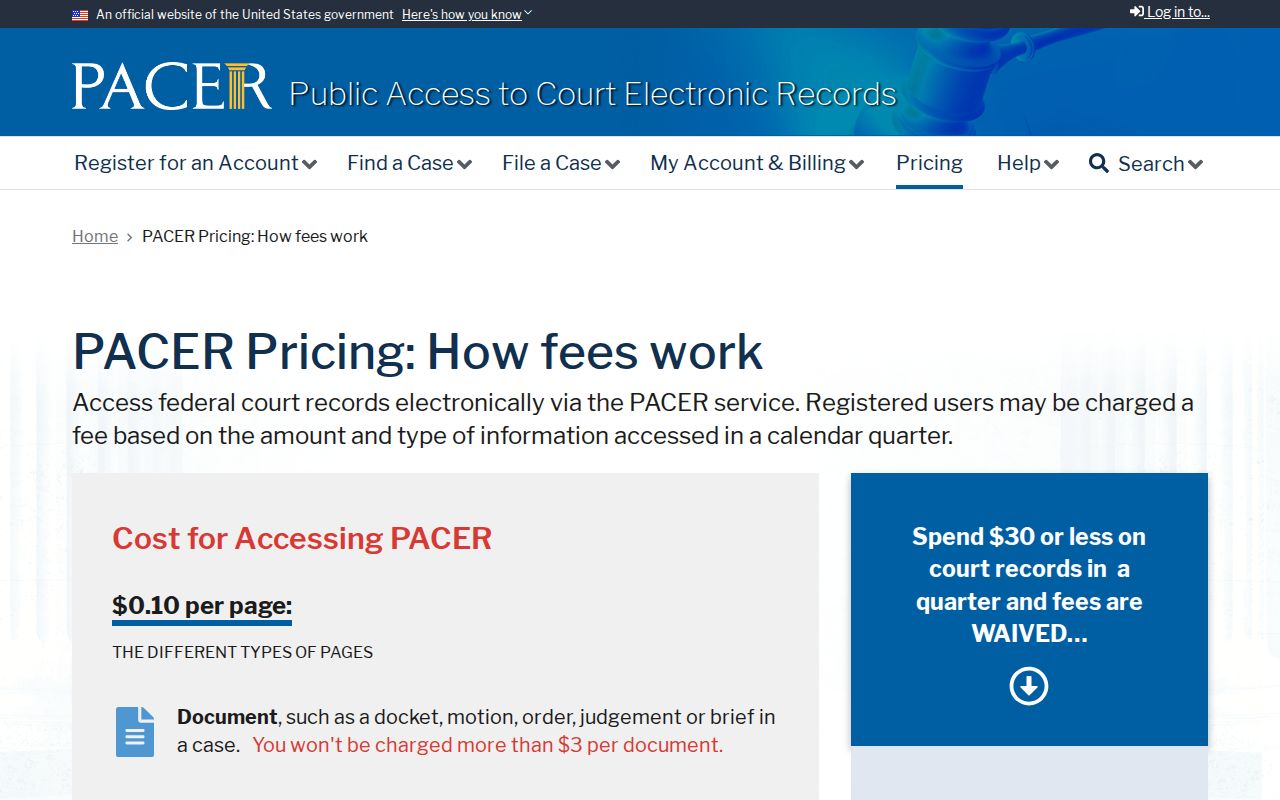
The fee table shows why a federal search follows its own access rules. Those charges sit apart from New Mexico Case Lookup, the track San Juan County state cases run on.
Most Wanted Lists Versus Active Warrants
The terms overlap in casual talk. They do not overlap in record scope, so San Juan County warrant questions go to the issuing court and safety tips go to the agency route.
| Question | Most-wanted program | Active-warrant record |
|---|---|---|
| Purpose | Public-safety attention and tips | Court or agency status for an order |
| Scope | Curated subset, if an agency publishes one | May include many court orders and status types |
| Update need | Published date and removal practice matter | Source date and court confirmation matter |
| Best action | Use the official tip route, do not approach | Call the issuing clerk or authorized office |
Federal, State, City, and Tribal Lists
No single list covers San Juan County. State District, Magistrate, and Municipal dockets each keep their own clerks. Farmington and other city police agencies hold operational records. Federal fugitives follow the U.S. Marshals route. Around Shiprock, Navajo Nation authority can come into play. So name the sovereign and the issuing court before you search. The New Mexico Case Lookup is not a federal or tribal index, and the Adult Detention Center inquiry is not a most-wanted source.
How to Request Aggregate Fugitive-Service Records
For a public-interest count, ask the San Juan County Sheriff or the county Legal office for an aggregate or redacted record. The JustFOIA portal accepts the request. Name the agency, month range, status category, and format. Ask for issued, served, recalled, and returned counts separately. Skip the raw export of names, birth dates, addresses, photographs, or private narratives when a count answers the question. IPRA exemptions, redactions, and fees may all apply, and a response timeline is not a promise that every requested item will be released. A quick answer may still be a redacted one.
If You Think You Are on a List
Seeing your own name on a San Juan County list changes the plan. Do not confront the person, message a profile, or trust a third-party site. Instead, call the issuing court or a licensed attorney at a number you verified yourself. Ask whether the order is state, city, federal, tribal, or something else, and what appearance, surrender, bond, or recall steps apply in San Juan County.
Current status comes from the authority. A dated public notice, an old press release, or a blank court screen cannot settle the question alone.
A custody question in San Juan County goes through the ADC inquiry and facility line, not a court status check.
A Tip, a Request, or a Status Check
Keep three errands straight in San Juan County. A safety tip belongs with an enforcement channel. A records request goes to the agency holding the policy, count, or file you want. A status check goes to the court that issued the order, and confusing these can leak private data or send you to the wrong San Juan County office.
- Tip
- Information about a safety or fugitive concern sent through an official channel.
- Records request
- A focused IPRA request for a public record, policy, count, or redacted file.
- Status check
- A direct question to the issuing court about a particular order.
- Roster
- A published list that needs an agency source, date, and update practice.